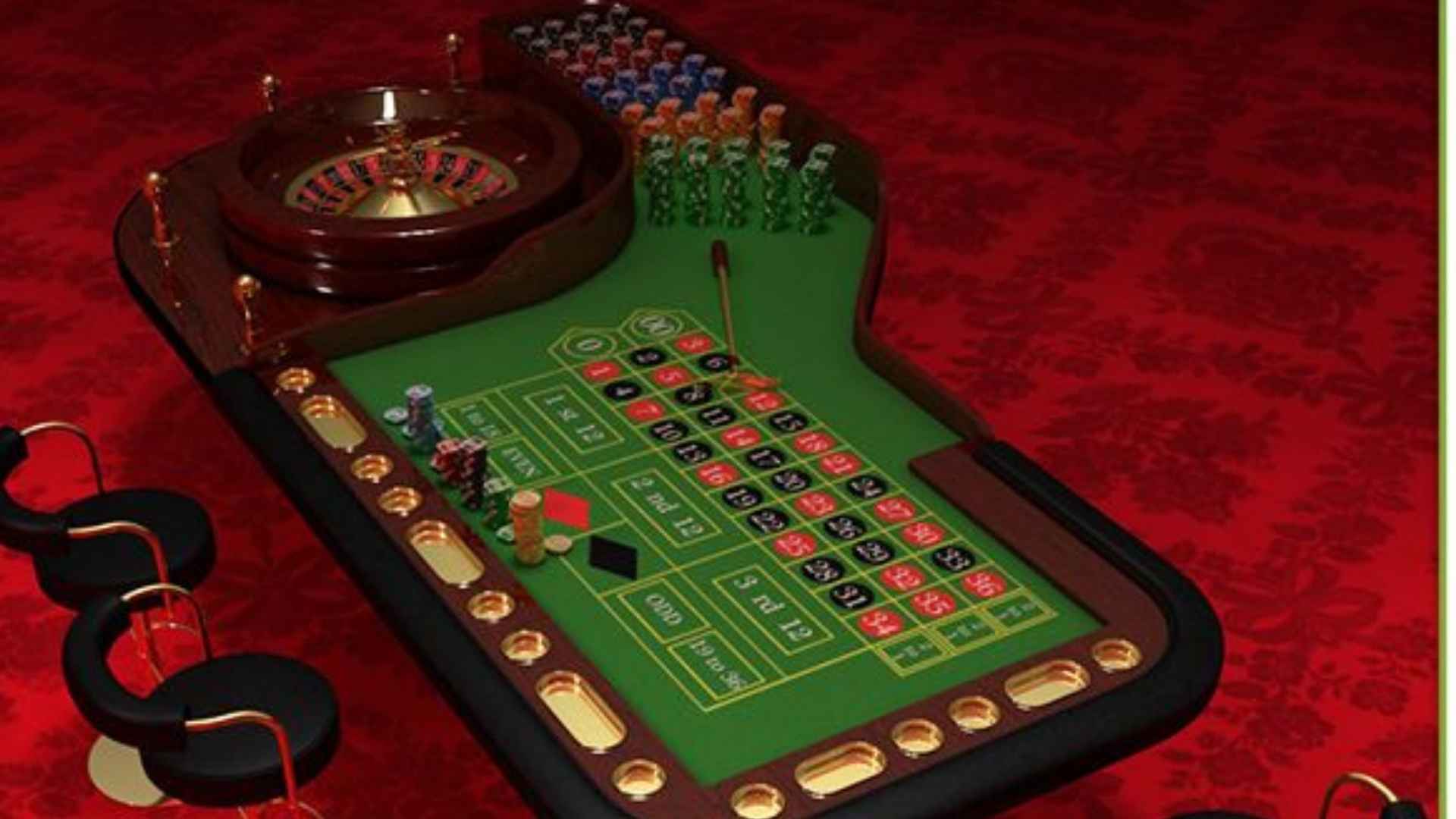
The architecture of traditional tabletop games often dictates the level of immersion and tactical depth players experience during a live session. While many modern casino layouts lean toward unified, single-table formats that simplify the betting process, older European traditions relied on a completely different arrangement. Understanding these unique physical configurations reveals how game developers originally balanced structural risk with deep player participation.
The Spatial Dynamics of a Split Table Layout
Unlike standard card games that feature a single dealer serving a semi-circular row of seats, classic variants like Baccarat Banque utilized a dual-table framework. This distinctive layout divided the playing area into two symmetrical wings, allowing a single banker to manage wagers from two separate groups of participants simultaneously. The physical separation created an intense psychological environment where actions on one side subtly influenced the tactical choices of players on the opposite side.
This division meant that the cards were dealt across multiple sections rather than to a single player hand, multiplying the analytical points for everyone involved. Observers could track the distribution patterns across both wings, turning a straightforward game of chance into a highly engaging social ritual. The spatial organization effectively heightened the tension, ensuring that every participant felt connected to the centralized financial pool.
How Shifting Responsibilities Altered Collective Risk
In most contemporary gaming formats, the corporate house assumes all institutional risks and maintains permanent control over the dealing shoe. The historic split-table format inverted this relationship by turning the banking position into a temporary privilege that players could actively claim or challenge. This structural choice shifted the financial burden away from a centralized entity and distributed it directly among the participants willing to back the table funds.
Managing a dual-table bank required substantial mental arithmetic and emotional discipline because the aggregate wagers from both wings could easily test a player financial boundaries. Enthusiasts looking for secure digital platforms to explore modern variations of these highly strategic card systems can visit 中環m88 to access a wide variety of contemporary tables. This transition from manual participant-funded systems to automated digital solutions preserves the underlying mathematical thrill while ensuring seamless transaction management.
The Enduring Appeal of Legacy Game Architecture
The evolution of tabletop design shows that small adjustments to physical boundaries can completely transform how a community interacts during a round. The multi-wing table configuration remains a fascinating study for modern game designers who wish to foster authentic face-to-face engagement without relying on complex digital overlays. By separating the playing field while maintaining a single financial anchor, the historic format achieved a perfect balance between personal agency and collective vulnerability.
Ultimately, analyzing these older custom variations provides modern players with a profound appreciation for the rich history of global casino culture. While fast-paced automated games dominate contemporary venues, the foundational logic of shared risk and spatial strategy continues to shape entertainment trends. Recognizing the unique mechanics behind these traditional layouts allows enthusiasts to approach every modern deal with a more analytical perspective.